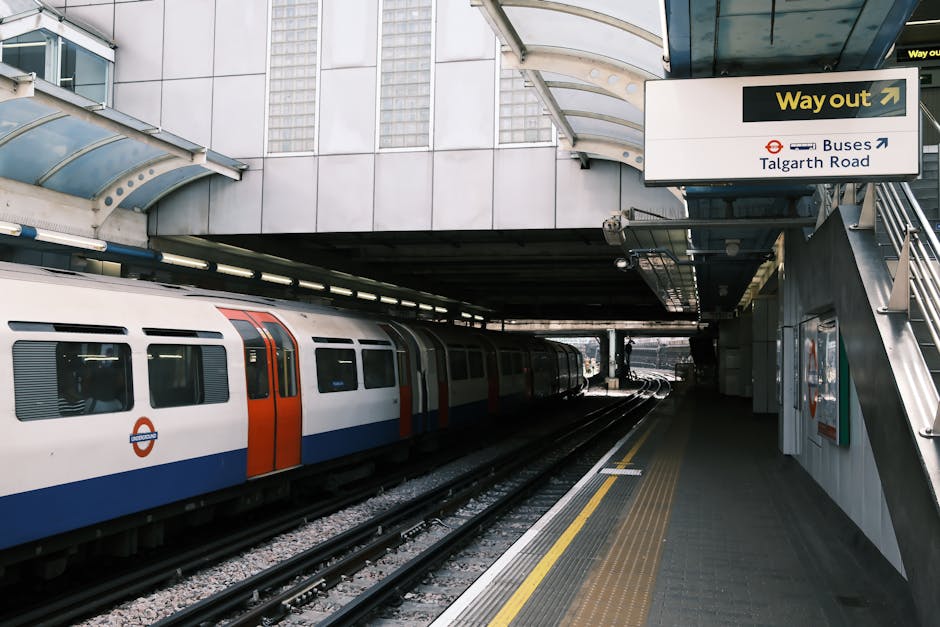
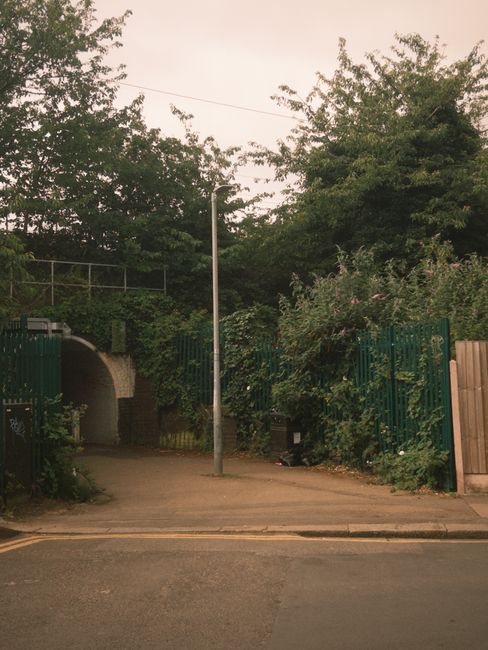
Parsons Green station verge maintenance case study gardeners
If you have ever walked past a station verge that looked a bit tired, you will know how quickly a small strip of land can shape first impressions. The grass is overgrown, edges are ragged, litter catches in the planting, and suddenly the whole approach feels neglected. That is where Parsons Green station verge maintenance case study gardeners come in: the work is part horticulture, part presentation, and part quiet risk management.
This article breaks down what station verge maintenance actually involves, why it matters in a busy London setting, how gardeners plan and deliver the work, and what good practice looks like when the aim is simple but demanding: keep a public-facing verge neat, safe, and resilient. We will also look at common mistakes, practical tools, compliance considerations, and the sort of decisions that make the difference between a one-off tidy-up and a reliable maintenance routine. Truth be told, these jobs can look effortless when they are done well. They rarely are.
For readers comparing services, it also helps to understand how verge work sits alongside broader site care. In many cases, a maintenance plan may draw on routine garden maintenance, lawn mowing, hedge trimming, or even garden clearance where a strip has become seriously congested. It is all about matching the method to the site.
Table of Contents
- Why Parsons Green station verge maintenance case study gardeners Matters
- How Parsons Green station verge maintenance case study gardeners Works
- Key Benefits and Practical Advantages
- Who This Is For and When It Makes Sense
- Step-by-Step Guidance
- Expert Tips for Better Results
- Common Mistakes to Avoid
- Tools, Resources and Recommendations
- Law, Compliance, Standards, or Best Practice
- Options, Methods, or Comparison Table
- Case Study or Real-World Example
- Practical Checklist
- Conclusion
- Frequently Asked Questions
Why Parsons Green station verge maintenance case study gardeners Matters
Station verges are not just decorative edges. They sit in a very visible, very public place, often beside roads, pavements, crossings, rail approaches, and high footfall routes. At Parsons Green, that means the verge may be seen in a few seconds by commuters, residents, delivery drivers, and passers-by. Those seconds matter. People notice whether the space feels cared for.
A well-maintained verge does a few things at once:
- It keeps the site looking orderly and welcoming.
- It reduces the chance of plants or grass obscuring sightlines.
- It supports safer pedestrian movement by preventing spill-over growth.
- It helps make routine inspections easier because the site is readable, not cluttered.
- It discourages the slow accumulation of litter, weeds, and neglected debris.
There is also a simple reputational point. When a transport-adjacent verge looks tidy, people assume the wider place is managed with care. When it looks forgotten, the opposite happens. That sounds almost too obvious, but in practice it affects how a whole local area feels.
Another reason these jobs matter is that verges are often awkward little spaces. They may have compacted soil, shallow planting, utility covers, tree roots, poor drainage, or patchy sunlight. A quick mow-and-go approach may make it look better for a day, then the problems return. Good gardeners read the site, not just the schedule.
Expert summary: station verge maintenance is less about chasing perfection and more about consistent, low-drama upkeep that protects visibility, improves presentation, and prevents small problems from becoming messy ones.
How Parsons Green station verge maintenance case study gardeners Works
To understand this kind of work, it helps to think in layers. First comes inspection. Then planning. Then the physical maintenance tasks. Finally, the follow-up. That sequence sounds straightforward. In real life, it is where quality lives or dies.
1. Site inspection and risk reading
The gardener or site team begins by checking what is actually there: grass height, weed pressure, edges, debris, any encroachment onto paths, damaged planting, evidence of compaction, and whether there are obstacles that need care around them. On station-adjacent sites, visibility and access are often more important than lushness. A verge can be attractive without being over-designed.
2. Task selection
Once the site is understood, the work is matched to it. That could include mowing, hand weeding, edging, strimming around awkward corners, pruning back encroaching growth, or clearing rubbish and organic waste. In some cases, a verge may need broader attention from a landscaping team if the layout itself is not helping maintenance.
3. Careful execution
This is where experience shows. A tidy verge is not simply cut short. It is cut evenly, edged cleanly, and finished so there are no rough tufts around posts, kerbs, or sign bases. If hedging or nearby shrubs are part of the verge boundary, they may need separate attention through hedge trimming. If trees are crowding light or dropping heavy material, a more specialist approach may be needed.
4. Waste handling and finish
Debris should be removed, not kicked into the corner and forgotten. That is one of those things everyone notices, even if they do not consciously register it. A clean finish matters. It is a bit like cleaning a kitchen but leaving crumbs in the sink. Close, but no cigar.
5. Review and scheduling
Most verge maintenance works best as a repeat programme. One visit can help, sure, but the value comes from predictable cycles. Depending on growth rates and seasonal conditions, that may mean more frequent summer cuts and lighter winter checks. A sensible maintenance schedule keeps the site from slipping into catch-up mode.
Key Benefits and Practical Advantages
There are obvious benefits to verge maintenance, but the best ones are not always the glamorous ones. The work pays off through consistency, safety, and a calmer visual environment.
- Cleaner first impressions: people respond quickly to neat edges and controlled growth.
- Lower visible clutter: less overgrowth means less trapping of litter and less visual mess.
- Better access: trimmed verges reduce the chance of people having to step around foliage.
- Improved long-term condition: regular care can help prevent minor neglect turning into major clearance.
- More efficient upkeep: small, planned visits often cost less in disruption than rescue work.
There is also a subtle operational benefit. When maintenance is regular, the team can spot emerging issues early. A cracked edging, a drainage problem, or a patch of stressed turf is much easier to notice when the verge is not hiding under layers of growth.
For property managers and local site coordinators, that means less firefighting. For residents and visitors, it simply feels better. And let's face it, people are far happier walking past something that looks looked-after.
Who This Is For and When It Makes Sense
Station verge maintenance is not only for transport operators. It is relevant to anyone responsible for a public-facing green strip where neatness, access, and durability matter.
- Site managers handling small transport-adjacent or civic verges.
- Managing agents responsible for communal land near access routes.
- Business owners whose frontage includes a verge or planted edge.
- Local organisations that need a reliable tidy-up and maintenance rhythm.
- Residents' groups looking after shared spaces with public visibility.
It makes sense when you are dealing with any of the following:
- The verge is visible from a main pedestrian route or road.
- Growth is getting uneven after wet or warm weather.
- There are weeds, litter, or debris building up faster than expected.
- The site has become awkward to maintain because of tight access or mixed planting.
- You need a maintenance plan rather than a one-off tidy.
If the space has started to feel overwhelming, a broader clean-up may help first. That is where services like garden clearance can be useful before routine maintenance takes over. Sometimes the smartest move is not a fancy one, just the practical one.
Step-by-Step Guidance
If you are planning verge maintenance for a station-facing or similar public strip, the process is easier when you break it into a few clear steps.
Step 1: Walk the site slowly
Do not rush. Look for height differences, soft ground, hidden edges, and places where people naturally cut across the area. A five-minute walk can save a lot of guesswork later.
Step 2: Identify the maintenance priority
Ask what matters most right now: appearance, access, safety, weed suppression, or resetting an overgrown verge. Not every site needs everything at once. A good plan keeps the focus on the biggest gain.
Step 3: Set the cut and finish standard
For grassed verges, decide how close the mowing should be and where hand-finishing is needed. For mixed verges, mark the areas that should not be hit with machinery. That includes fragile planting, tree bases, utility covers, and awkward corners.
Step 4: Carry out the work in sections
Breaking the job into sections helps avoid missed patches. It also makes the site safer, because the team can keep track of what has been cleared, what still needs attention, and where foot traffic is likely to be.
Step 5: Finish the edges properly
Edges are where good jobs look good. Clean edges along pavements, kerbs, and borders create a sense of sharpness even if the planting itself is simple. A verge with tidy edges and moderate growth will always look more cared for than one that has been cut quickly and forgotten.
Step 6: Remove waste and inspect again
Once the work is done, clear arisings and check the site in daylight if possible. It is surprising how often a small missed area or a leftover pile only becomes obvious at the end. A final look saves embarrassment later.
Step 7: Record the condition and plan the return visit
This is where the job becomes a system. Note how quickly the verge grows back, what the problem areas were, and whether the work pattern needs changing next time. Seasonal change matters. Early summer is not the same as a damp winter spell, and the site will tell you that if you pay attention.
Expert Tips for Better Results
A few small habits make verge maintenance much better. None of them are dramatic. That is the point.
- Cut for consistency, not just speed. A slower pass is often cleaner and avoids patchiness.
- Protect the borders. Kerbs, signs, roots, and drains are where careless work shows.
- Use hand tools where the machine cannot fit properly. Fiddly spots often need a lighter touch.
- Watch the weather. Wet ground and heavy growth can change what is sensible on the day.
- Think in seasons. What works in April may be wrong by August.
- Leave room for inspection. A bare minimum tidy is not enough if the site needs regular checks.
A practical example: if the verge includes a short stretch of hedge, mowing alone will never give a proper finish. That is where a combination of mowing and hedge trimming produces a more balanced result. Same goes for sites with a small timber feature or edge detail; occasional decking services may be relevant if access features need repair or refresh alongside planting care.
One more thing. Do not chase a "perfect" look where the site is clearly meant to be practical. A verge is not a show border. The best work is usually neat, resilient, and easy to maintain. Fancy is overrated. Reliable wins.
Common Mistakes to Avoid
Most verge problems come from predictable mistakes. The good news is they are avoidable.
1. Cutting everything the same way
A mixed site needs mixed methods. Grass, weeds, boundary planting, and tree bases all need different handling. One tool for everything is rarely enough.
2. Ignoring drainage or compaction
If water sits on the verge or the soil feels hard and tired, simple cutting will not solve the root issue. The surface may need aeration, soil improvement, or a layout rethink.
3. Leaving edging until the end
Edges should be part of the job, not an afterthought. They are often the detail people notice first.
4. Over-cutting during stress periods
Hot, dry spells or waterlogged periods can stress turf and planting. A cautious approach is usually better than forcing a harsh cut.
5. Skipping waste removal
Leftover clippings and debris are a magnet for mess. They also make the site look less cared for, even if the cutting itself was decent.
6. Not checking nearby hazards
Public-facing verges can hide practical issues: broken surfaces, low branches, awkward utilities, or slippery patches. A maintenance visit should be a check-up, not just a haircut.
And yes, it sounds obvious. But obvious things are the ones that trip people up, usually when they are in a rush.
Tools, Resources and Recommendations
The right tools depend on the site, but a dependable verge maintenance kit is usually built around a few basics. No need to overcomplicate it.
- Mowers for open grassed sections.
- Strimmers or brush cutters for tight or uneven edges.
- Hand shears and secateurs for precise finishing near planting.
- Rakes and collection bags for clearing cuttings and debris.
- Gloves, eye protection, and sturdy footwear for safer working.
- Inspection notes or a simple site log to track changes over time.
On more complex sites, a broader service plan can help. A combined maintenance approach may include services overview planning, seasonal lawn mowing, or ongoing garden maintenance to keep the verge from drifting out of shape.
It is also sensible to think about waste handling. If a site generates a lot of green waste, check how collections and disposal are being managed. Responsible handling is not just tidy; it is part of good site stewardship. For organisations that value that side of the job, recycling and sustainability can be an important part of the conversation.
Law, Compliance, Standards, or Best Practice
Public-facing verge maintenance in the UK should be approached with care, particularly where work takes place near roads, pavements, rail infrastructure, or shared access routes. The exact duties depend on the site and who is responsible for it, so it is best not to assume a one-size-fits-all rulebook.
What matters in practice is sound, defensible best practice:
- Health and safety planning: assess the site before work begins and adjust methods to match the risks.
- Clear access management: keep pedestrians and workers out of conflict where possible.
- Public protection: be cautious with tools, debris, and working zones near footfall.
- Insurance awareness: use contractors or teams with appropriate cover for the nature of the work.
- Waste and environmental care: dispose of arisings properly and avoid leaving material in drainage or access channels.
For clients, it is reasonable to ask how a team approaches health and safety policy, insurance and safety, and whether their work methods reflect the site's real conditions rather than a generic checklist. If you are comparing providers, this is not being picky. It is being sensible.
If documentation, payment handling, or service terms matter to your organisation, it is worth reviewing the company's published standards too, including payment and security and terms and conditions. Clear admin is not glamorous, but it prevents headaches later.
Options, Methods, or Comparison Table
Different maintenance methods suit different verge conditions. Here is a simple comparison to help you think clearly.
| Method | Best for | Strengths | Limitations |
|---|---|---|---|
| Routine mowing | Grassed verges with even growth | Fast, consistent, neat appearance | Not enough for mixed planting or heavy weed pressure |
| Hand-finishing and edging | Tight borders, pavements, kerbs, sign bases | Improves presentation and precision | Slower on larger areas |
| Targeted clearance | Overgrown or neglected verges | Resets the site and improves access | Not a substitute for ongoing maintenance |
| Mixed maintenance plan | Sites with grass, shrubs, and public access | Balanced, adaptable, better long-term result | Needs more planning and coordination |
In many real-world settings, the mixed maintenance plan wins because it responds to the site rather than forcing the site into one method. A verge near a station, for example, may need regular mowing in one section and lighter pruning in another. A bit of judgement goes a long way.
Case Study or Real-World Example
Here is a realistic example based on the type of work this topic covers.
A small station-adjacent verge had started to look untidy after a stretch of wet weather. Grass had grown unevenly, the edges beside the path had softened, and weeds were beginning to creep through the boundary line. Litter was also collecting where the planting became denser. Nothing dramatic. Just enough to make the whole frontage feel tired.
The first step was a careful walk-through to identify the problem zones. The open grassed section needed mowing, but the edge closest to foot traffic needed hand-finished trimming. The boundary shrubs were lightly cut back to restore shape without exposing the verge, and the accumulated clippings and debris were removed. In the more awkward corner, the team took a slower, more precise approach rather than forcing machinery into the space.
After the initial visit, the site was moved onto a maintenance cycle rather than treated as a one-off tidy-up. That made the biggest difference. Over the next few visits, the verge stopped slipping backwards, the edges stayed cleaner for longer, and the site became easier to inspect at a glance. No drama, no big reinvention. Just consistent care.
That, really, is the lesson with Parsons Green station verge maintenance case study gardeners work: the best results come from understanding the site, not showing off on it.
Practical Checklist
Use this checklist before and after verge maintenance visits.
- Walk the full length of the verge before starting.
- Check for hazards, soft ground, or hidden obstructions.
- Confirm the main maintenance priority for the visit.
- Match the method to the site: mow, edge, hand-finish, or clear.
- Protect planting, roots, kerbs, and utilities.
- Remove cuttings, litter, and loose debris.
- Inspect edges and corners after the main cut.
- Note any problem areas that need follow-up.
- Adjust the schedule if growth is faster than expected.
- Keep records of what was done and when.
Quick takeaway: a verge looks good when it is maintained consistently, not when it is occasionally rescued.
Conclusion
Parsons Green station verge maintenance is a good example of how small public-facing spaces can carry a lot of weight. They influence first impressions, support safer movement, and quietly signal whether a place is being looked after. The work itself is straightforward in theory, but the quality comes from careful judgement, clean finishing, and a maintenance rhythm that respects the site's real conditions.
If you are responsible for a verge, boundary strip, or station-adjacent green edge, the smartest move is usually to combine practical maintenance with a realistic schedule. Keep it tidy, keep it safe, and keep it regular. That is what works. Everything else is just noise.
Get a free quote today and see how much you can save.
For a friendly next step, learn more about the team behind the work at about us or send an enquiry through contact us. A quick conversation can save a lot of guesswork, and sometimes that is all a site needs to get back on track.
Frequently Asked Questions
What does station verge maintenance actually include?
It usually includes mowing, edging, light pruning, weed control, debris removal, and a final inspection. On more complex sites, it may also involve clearance or seasonal tidying.
How often should a verge near Parsons Green be maintained?
That depends on growth, weather, and how visible the site is. In practice, high-footfall areas often benefit from a regular schedule rather than occasional visits.
Is verge maintenance different from normal garden maintenance?
Yes. Verges are more public, more exposed, and often harder to access. They usually need a stronger focus on visibility, safety, and tidy edges than a private garden.
What is the biggest mistake people make with verge care?
Trying to treat every part of the verge the same way. Mixed sites need mixed methods, and the edges often matter more than people think.
Can a verge be improved without a full landscaping project?
Absolutely. Many verges just need consistent maintenance, better edging, and sensible clearing. Full redesign is only needed when the structure of the site is causing repeated problems.
Do overgrown verges always need clearance first?
Not always, but if the space has become heavily neglected, a clearance visit can reset it before routine maintenance begins. That often makes future upkeep much easier.
How do gardeners keep work safe near footpaths and public access points?
They plan the work carefully, manage the working area, use suitable tools, and pay attention to debris and pedestrian movement. Good site awareness matters more than speed.
What should I ask before booking verge maintenance?
Ask how the site will be assessed, what the maintenance plan includes, how waste will be removed, and how health and safety are handled. Clear answers are a good sign.
Is hedge trimming ever part of verge maintenance?
It can be, yes. If the verge includes boundary hedging or encroaching shrubs, hedge trimming may be needed alongside mowing and edging.
How do I know if the verge needs a one-off visit or an ongoing plan?
If the space keeps slipping back into mess after each tidy, it probably needs an ongoing plan. If the issue was caused by a single period of neglect or weather, a one-off reset may be enough.
What happens to the cuttings and green waste?
They should be collected and handled properly rather than left on site. Good waste management helps the verge stay neat and supports better environmental practice.
Can verge maintenance help with complaints about appearance?
Yes. Public-facing green spaces often generate comments when they look neglected. A consistent maintenance routine can improve presentation and reduce avoidable complaints.
When the work is done well, nobody has to think about it too hard. The verge simply looks right. And honestly, that quiet result is often the best sign of all.